
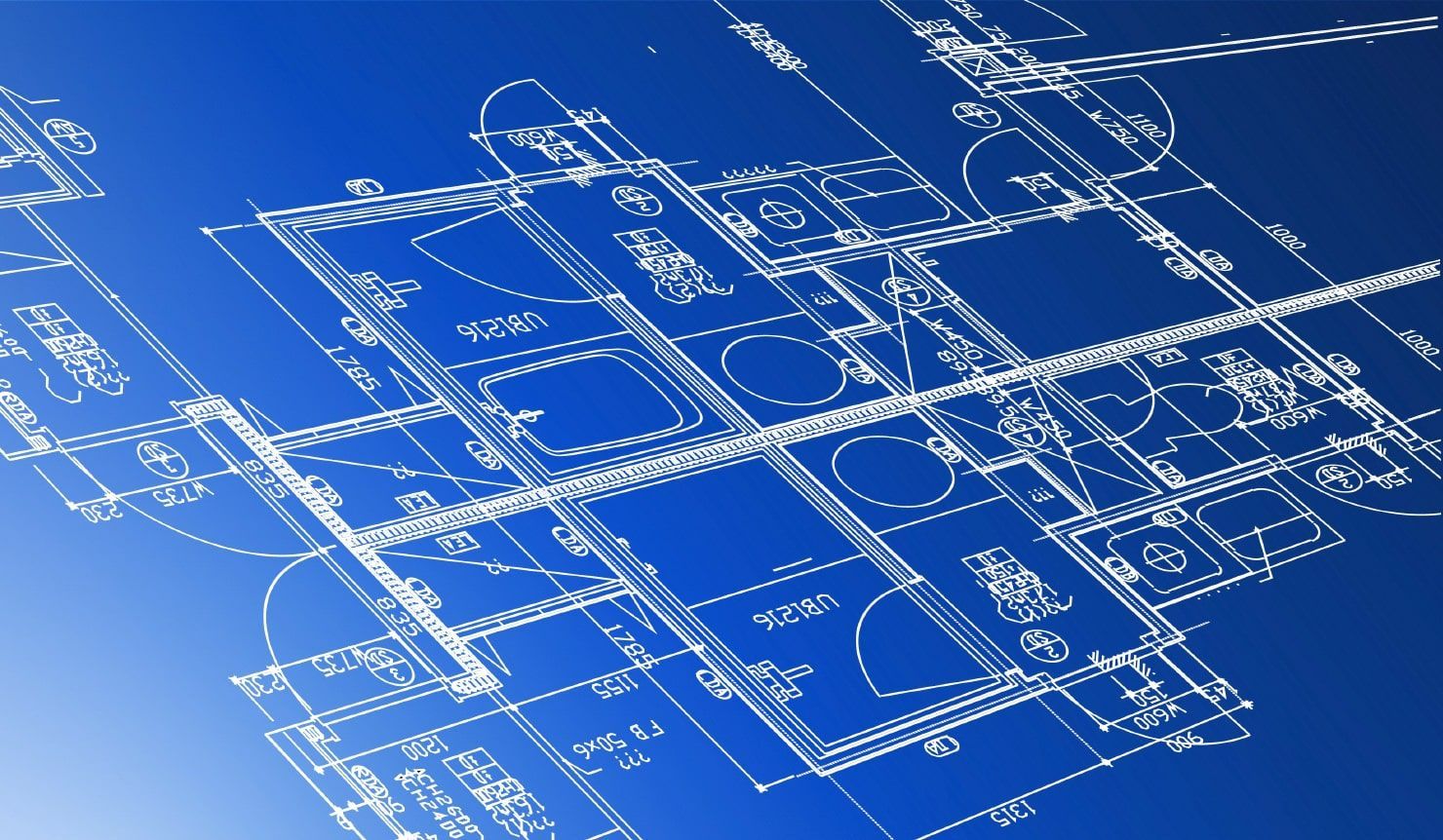
Before AutoCAD There Were Blueprints!
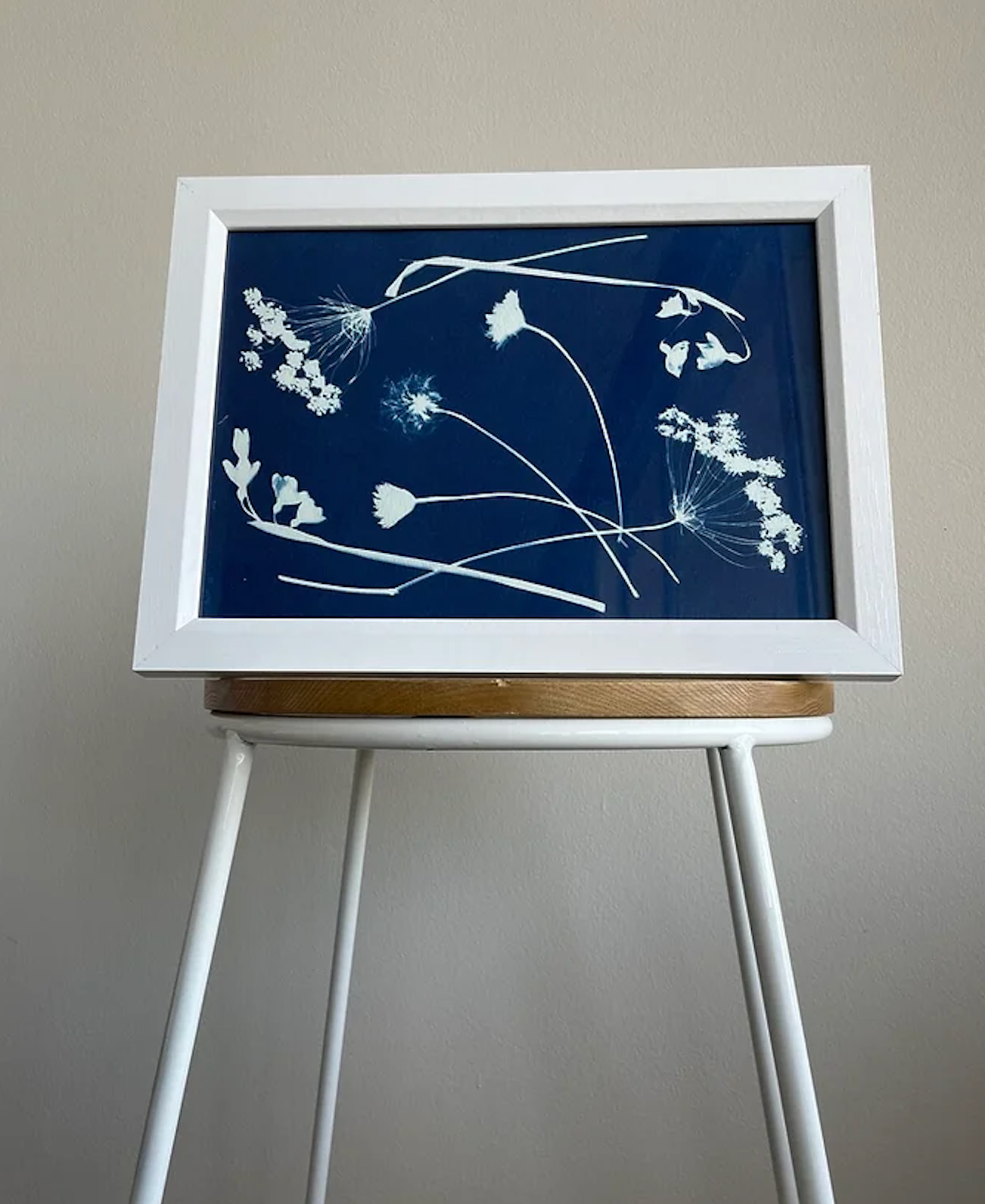
The cyanotype (blueprint) process was used in the Architecture, Engineering, and Construction (AEC) industries before being replaced by what we use in our office today — Autodesk's AutoCAD.
Cyanotypes are a camera-less alternative photographic process, also referred to as 'blueprints'. The word originates from the Greek word Cyan, meaning dark blue impression. It is a non-silver photo printing method that produces a Prussian Blue print.
Architects and Engineers in the 19th and 20th century used the process as a simple and low-cost method of reproducing copies of architectural drawings before the invention of the photocopier.
The English Scientist, Astronomer and Botanist Sir John Herschel discovered the process in 1842. He was classed as a bit of a scientific superstar of his time. Photography had been discovered about 3 years previously but it was an expensive process. Through his experimentations he developed a process called Cyanotype — the birth of blueprinting.
It was fascinating to learn that no blue dye is used in the process!
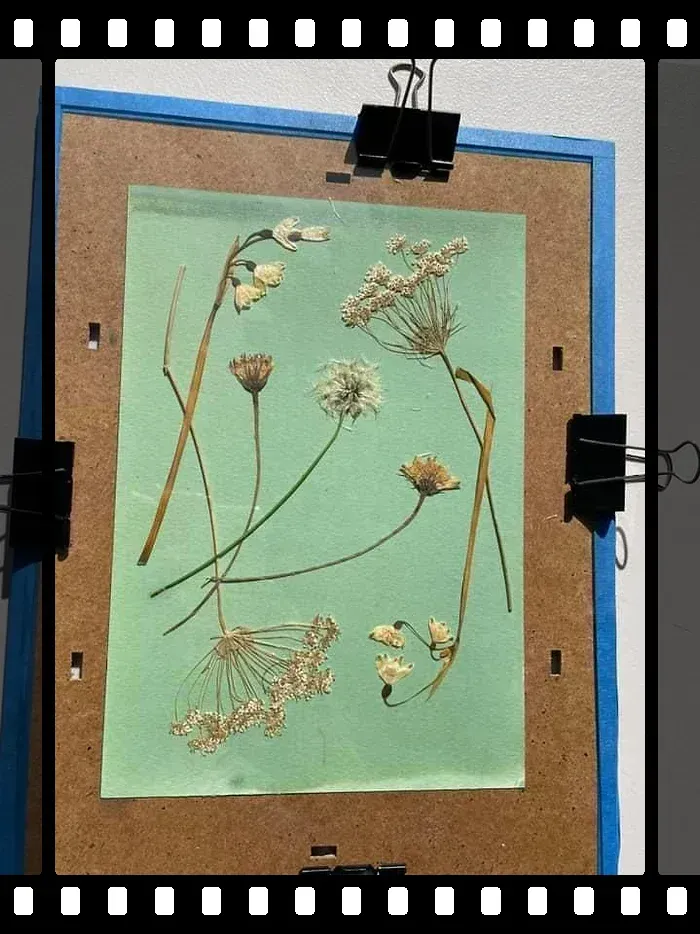
The blue is a result of chemicals and their reaction to sunlight.
To create a blueprint you draw your original design on a semi-transparent piece of paper or cloth, and place it on top of paper that has been treated with a mixture of two chemicals; potassium ferrocyanide and ammonium iron citrate. This is a photosensitive (and very hazardous) chemical mixture.
Then, you take the stacked pieces of paper and expose them to bright ultraviolet light (like the sun). The treated paper turns blue, but the lines of the original drawing block out the sun's effects and leave white lines on the treated paper. After only a few minutes of exposure, you are left with a perfect copy.
The reaction from the sun causes a compound to appear on the paper called blue ferric ferrocyanide, or Prussian Blue — and why these copied documents came to be known as blueprints. The soluble chemicals would then be washed off, leaving a very stable copy.
It was great to learn this historical process from our industry firsthand and use it to create art. Thanks to artist Lisa Shepard for running an outstanding 1 day workshop!